


A quick checklist for parents
- Suggested age: many group tours in the far south are better suited to children aged around 8–10 and above; suitability must be assessed for the specific child and itinerary.
- Season: October to March is generally preferable to the summer heat, but temperatures vary considerably by location, altitude and weather.
- Suitable format: a 4×4 itinerary with short daily walks and camping arrangements adapted to the family, rather than a demanding trek.
- Essentials: reusable insulated water bottles, warm layers, closed shoes, a sun hat and suitable sunscreen.
1. What age is suitable for a Sahara trip with children?
Age is only one factor. Fitness, health, temperament, the route and access to assistance all matter when assessing a family trip.
Under five: a trip requires particular care and individual assessment
Young children need close supervision and may be more affected by heat, cold, wind and changes in routine. Remote desert travel can be demanding for parents too. Discuss whether a shorter or less remote itinerary would be more suitable.
From around eight to ten: more independence, depending on the child
Older children may be ready to take a more active part in the journey:
- Children should be comfortable with the planned walking and able to tell an adult when they are thirsty, overheated or tired.
- The desert can encourage curiosity: observing rocks and traces of past life without collecting them, learning from guides and enjoying the dunes under adult supervision.
- An adapted daily pace and clearly explained camp routine help make the experience manageable for the whole family.
2. Camping comfort: what to expect in a tent
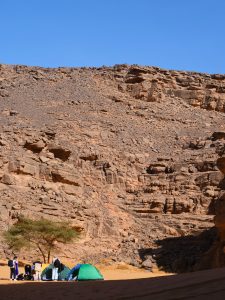
Camping comfort depends on preparation and the equipment provided. Ask about tent arrangements, bedding, toilets, washing facilities and weather protection before booking.
Preparing for a comfortable night
The programme should explain the private or shared tents and bedding supplied for your family. Warm sleeping arrangements are particularly important in winter. Tell the team about any specific needs and check what personal equipment to bring.
Fresh meals and dietary needs
On supported tours, a local cook prepares meals according to the programme. Typical arrangements may include:
- Lunch, in a shaded rest area: meals may include vegetables, starchy foods and seasonal fruit, prepared with appropriate food and water hygiene.
- Dinner: warm dishes such as soups, vegetable stews and taguella, the traditional bread baked beneath embers and sand, according to the programme.
Discuss children’s preferences, allergies and dietary requirements before booking so the team can confirm what can reasonably be provided.
3. Water, washing and weather
Drinking water and hydration
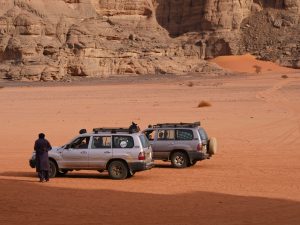
The support vehicles carry the drinking-water supply. Confirm the arrangements and follow the team’s guidance on safe drinking water and refilling bottles.
- Confirm the drinking-water supply and whether an insulated bottle is provided for each participant before departure.
- Guides remind travellers to drink regularly. Adults should monitor children closely, as dry air can make fluid loss less obvious.
- Washing water is limited in the desert. A basin and reusable washcloths can help with daily washing; follow the team’s hygiene and waste-disposal instructions and confirm the facilities before booking.
Temperature changes
Winter conditions around Djanet and Assekrem differ, particularly because of altitude. Prepare for both sun during the day and significant cold after dark:
- During the day: lightweight clothing that covers the skin, together with a hat or cheche, helps with sun protection. Temperatures vary, so do not rely on a fixed 20–24°C range.
- In the evening: temperatures can fall sharply and may drop below the ranges shown in general guides. Pack thermal layers, fleece and a warm jacket, with bedding suited to the expected conditions.
4. A typical day: pace and supervision
A family itinerary works best at a calm pace, with rest stops and flexibility rather than a target number of kilometres.
- 07:30–08:30: wake with the daylight and share breakfast, with hot drinks, local pancakes or other foods specified by the team.
- 09:00–11:30: a short guided walk, often around one to one-and-a-half hours where suitable, or a 4×4 transfer, adapted to conditions and the children’s needs.
- 12:00–14:30: lunch in shade, followed by rest and quiet activities.
- 15:00–17:00: reach camp and enjoy supervised time around the dunes, within the area agreed with the guide.
- 18:00–21:00: sunset, tea, a warm dinner and time under the stars, with bedtime adapted to the children.
Safety and local support
Ask about first-aid equipment, communications, vehicle access and the evacuation plan for your exact route. A 4×4 cannot follow every walking trail, and medical care may be far away. Confirm the support available and appropriate insurance before choosing the trip.
5. What children can discover
Time in the Sahara can create a welcome break from screens and encourage other interests:
- Observation: looking for animal tracks, viewing protected rock art without touching it and learning to recognise constellations.
- Human connections: time with Tuareg guides and the camp team can introduce different skills, experiences and ways of life.
- Environmental awareness: seeing the value of drinking water and taking all waste away makes responsible habits concrete.
Ready to discuss a first family journey in the Sahara?
For a route combining dunes, rock arches and 4×4 travel, ask about the Tadrart Rouge itinerary from Djanet and whether its pace and conditions suit your family.
Would you like an itinerary adapted to your children’s ages and needs? Arrange a call with a Riwaya Travel adviser.


